

Cultural heritage represents the collective memory of humanity. It includes the traditions, artefacts, languages, monuments, and practices that have been passed down through generations. These elements provide valuable insight into how societies developed, how people lived, and how cultures evolved over time.
Preserving cultural heritage is essential for understanding human history. It allows present and future generations to learn from the past while maintaining a strong connection to the identities and traditions that shape communities around the world.
By protecting cultural heritage, societies ensure that the knowledge, creativity, and achievements of earlier civilizations are not lost.
What Is Cultural Heritage?
Cultural heritage refers to the physical and intangible elements that represent the legacy of past societies. It can take many different forms, including historic landmarks, traditional customs, artistic works, and oral traditions.
Cultural heritage is often divided into two main categories:
Tangible heritage, which includes physical objects and sites such as:
- Historical buildings and monuments
- Archaeological sites
- Artefacts and museum collections
- Ancient manuscripts and documents
Intangible heritage, which includes cultural practices and expressions such as:
- Languages and storytelling traditions
- Music, dance, and festivals
- Traditional craftsmanship
- Social customs and rituals
Together, these elements form a rich record of human creativity and social development.

Preserving Historical Knowledge
Cultural heritage plays a vital role in preserving historical knowledge. Artefacts, architectural structures, and written records provide evidence of how ancient societies organised their communities, practiced religion, and developed technologies.
Through archaeological research and historical study, cultural heritage helps scholars understand:
- How early civilizations evolved
- The development of social and political systems
- The exchange of ideas between cultures
- Major events that shaped human history
Without preservation efforts, much of this historical knowledge could disappear.
Strengthening Cultural Identity
Cultural heritage helps communities maintain a sense of identity and continuity. Traditions, languages, and shared historical experiences allow people to connect with their ancestors and cultural roots.
When cultural heritage is preserved, it:
- Strengthens community identity
- Promotes cultural pride
- Encourages respect for diverse traditions
- Maintains connections between generations
This sense of identity is especially important in a rapidly changing world where cultures continue to evolve and interact.
Supporting Education and Research
Museums, historical sites, and cultural archives serve as valuable educational resources. They provide opportunities for students, researchers, and the general public to learn about different cultures and historical periods.
Cultural heritage supports learning by:
- Providing authentic historical evidence
- Encouraging interdisciplinary research
- Inspiring curiosity about past societies
- Promoting a deeper understanding of human development
Educational engagement with cultural heritage helps ensure that historical knowledge remains accessible to future generations.
Encouraging Cultural Exchange
Cultural heritage also promotes dialogue and understanding between different societies. By studying and appreciating the traditions and history of other cultures, people can develop a broader perspective on the diversity of human experiences.
This exchange of ideas can lead to:
- Greater cross-cultural understanding
- Appreciation of global heritage
- Collaboration in cultural preservation efforts
- Respect for shared human history
Cultural heritage therefore plays an important role in building connections across cultures.
Protecting Heritage for Future Generations
Many cultural heritage sites and traditions face threats from urban development, environmental change, conflict, and neglect. Protecting these resources requires careful conservation and international cooperation.
Efforts to preserve cultural heritage often include:
- Archaeological preservation projects
- Restoration of historical buildings
- Documentation of endangered languages and traditions
- Legal protection for heritage sites
These initiatives ensure that cultural heritage remains available for study and appreciation in the future.
The Role of Technology in Heritage Preservation
Modern technology has become an important tool in preserving cultural heritage. Digital documentation and advanced imaging techniques allow researchers to record artefacts and historical sites with remarkable precision.
Technological tools used in preservation include:
- 3D scanning and digital reconstruction
- Online cultural archives and databases
- Geographic mapping of archaeological sites
- Digital preservation of manuscripts and historical records
These innovations help protect heritage from physical deterioration while making historical information more accessible worldwide.

Why Cultural Heritage Matters Today
In an increasingly interconnected world, cultural heritage provides a reminder of the diverse paths that societies have taken throughout history. It encourages respect for cultural diversity while highlighting the shared achievements of humanity.
Preserving cultural heritage allows us to:
- Learn from the successes and challenges of past societies
- Protect historical knowledge for future generations
- Celebrate cultural diversity and creativity
- Build a deeper understanding of global history
The preservation of heritage ensures that human history remains a living resource for education, reflection, and cultural appreciation.
Conclusion
Cultural heritage plays a crucial role in preserving the history, traditions, and knowledge of human societies. Through monuments, artefacts, languages, and cultural practices, it provides a powerful connection between past and present.
By protecting and studying cultural heritage, societies can ensure that the lessons, creativity, and achievements of earlier generations continue to inform and inspire the world today.
Related Posts
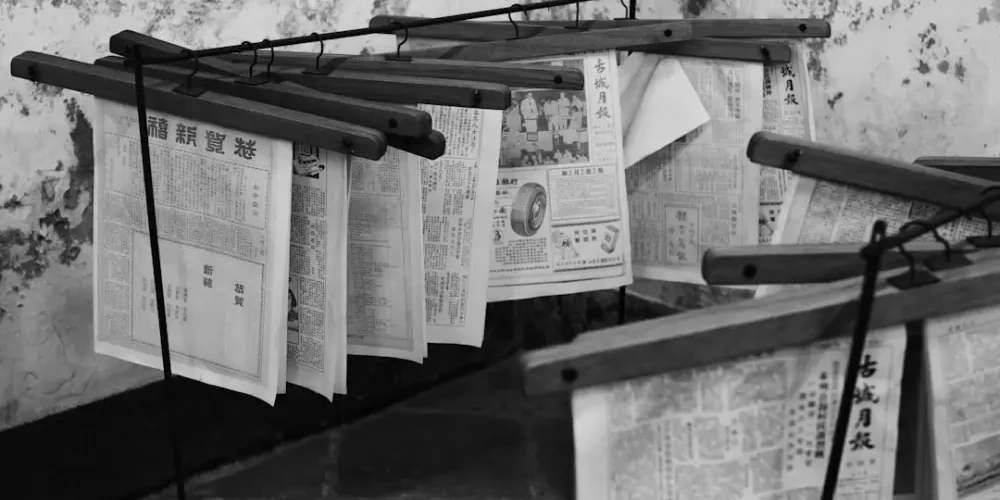
Why preserving local news is actually the key to our future history
Explore why local news preservation is…
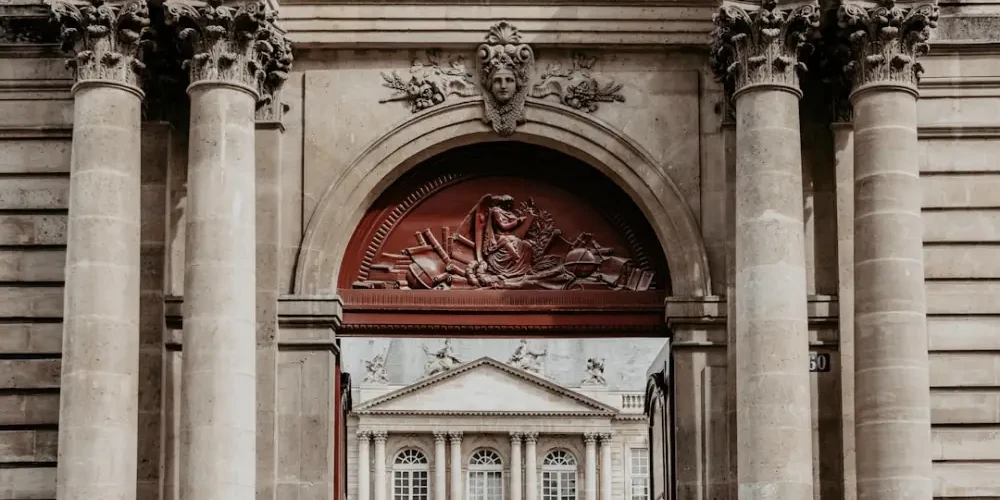
How local reporting is finally uncovering the lost history of our neighborhoods
Discover how citizen journalism and…
