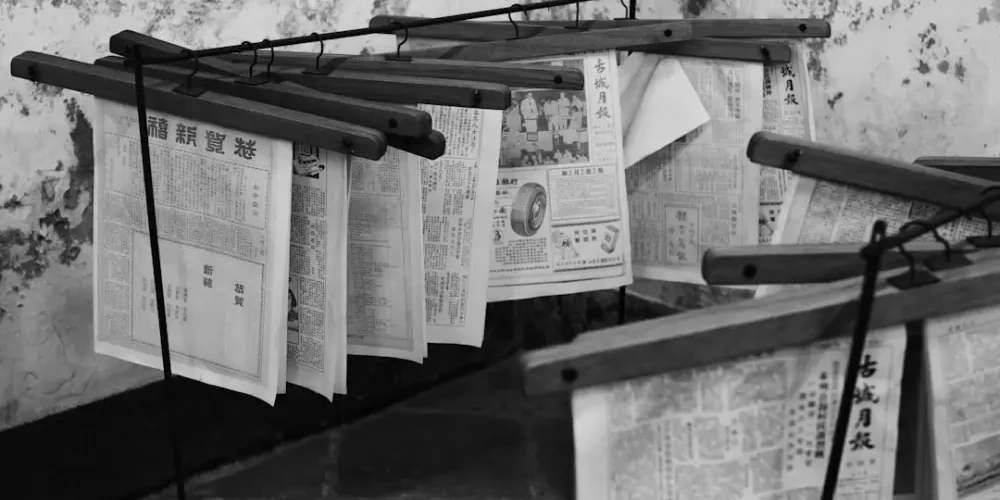
The Unseen Layers of the Urban Fabric
For decades, the study of history was largely confined to the grand narratives of nations, emperors, and sweeping geopolitical shifts. We learned about the rise and fall of empires and the signatures on world-changing treaties. Yet, the history of the street where you live, the origin of the corner grocery store, or the forgotten social movements that transformed a single zip code often remained in the shadows. Today, a quiet revolution is taking place. Driven by a new wave of local reporting and citizen journalism, the lost history of our neighborhoods is finally being unearthed, one story at a time.
This rigorous approach to local storytelling transforms neighborhood memories into a vital component of cultural heritage preservation on a global scale.
This shift represents a fundamental change in how we consume and produce historical knowledge. No longer is history a top-down academic exercise; it has become a grassroots movement. On platforms like Archeox, we are witnessing the democratization of discovery, where the distinction between a professional historian and a dedicated local reporter is increasingly blurred by a shared passion for cultural heritage.
The Rise of the Citizen Historian
The decline of traditional local newspapers over the past twenty years created what many called "news deserts." However, in the vacuum left by the shuttering of local broadsheets, a more specialized form of reporting has emerged. Local bloggers, community activists, and citizen journalists are stepping in to document the micro-histories of their communities. Unlike the generalist reporters of the past, these modern chroniclers are deeply embedded in their environments, possessing an intimate knowledge of local lore that an outsider might overlook.
This new breed of reporter utilizes digital tools to bridge the gap between the past and the present. By digitizing old family photographs, recording oral histories from elderly residents, and scouring municipal property records, they are piecing together a mosaic of the past that is both granular and profoundly human. They aren’t just reporting on the news; they are acting as modern-day archivists, ensuring that the ephemeral details of neighborhood life are preserved before they vanish into the ether of urban redevelopment.
The Power of Oral Testimony and Digital Archives
One of the most significant contributions of local reporting is the preservation of oral histories. In every neighborhood, there are "living libraries"—long-term residents whose memories contain the only surviving accounts of a community’s evolution. Local reporters are increasingly prioritizing these voices, recognizing that when an elder passes away, a library of local knowledge often burns with them.
Furthermore, the accessibility of digital archives has revolutionized hyper-local research. Sites that provide public access to census data, historical maps, and newspaper archives from a century ago allow local reporters to verify legends and debunk myths. This rigorous approach to local storytelling elevates neighborhood history from mere nostalgia to a legitimate branch of cultural heritage research.
Why Neighborhood History Matters for Modern Society
The resurgence of interest in local history is not merely a sentimental pursuit. It has practical implications for how we understand our current social landscape and how we plan for the future. When a community understands its history, it gains a stronger sense of identity and social cohesion.
Local reporting helps us understand the "why" behind our current urban environment. Why is a certain park named after a forgotten activist? Why did a specific industry dominate a district for fifty years? Understanding these patterns allows citizens to engage more meaningfully with urban planning and conservation efforts. By uncovering the layers of history beneath our feet, we are better equipped to advocate for the preservation of landmarks that hold genuine communal value.
- Preserving Diversity: Local reporting often highlights the stories of marginalized groups whose contributions were ignored by mainstream historical records.
- Building Community Pride: Discovering a neighborhood’s unique legacy fosters a sense of belonging and stewardship among residents.
- Informing Urban Development: Historical context can prevent the erasure of significant cultural sites during modern construction projects.
- Educational Resource: Local history provides a tangible, relatable way for younger generations to connect with the broader concepts of social evolution.
- Combatting Displacement: Documenting the long-term history of a community can serve as a tool for residents fighting against the dehumanizing effects of gentrification.
The Future of Historical Discovery: A Collaborative Effort
As we look toward the future, the synergy between local reporting and historical research will only grow stronger. The digital age has provided the platforms, but it is the human element—the curiosity of the neighbor and the tenacity of the local reporter—that drives the discovery. We are moving away from a world where history is something that happened "elsewhere" and toward a realization that history is happening right here, on our doorsteps.
At Archeox, we believe that every street corner has a story worth telling. Whether it is the architectural significance of a Victorian-era townhouse or the social impact of a 1960s community center, these narratives are the threads that weave the fabric of our shared human experience. By supporting and engaging with local reporting, we aren’t just looking backward; we are ensuring that the identity of our neighborhoods remains vibrant and visible for the generations to come. The "lost" history of our neighborhoods was never truly gone—it was simply waiting for someone to ask the right questions and write the story down.