How Ancient Civilizations Shaped Modern Culture and Society
Modern society is built upon the foundations laid by ancient civilizations. From systems of government and architecture to language, trade, and cultural traditions, many aspects of everyday life can be traced back thousands of years. Studying ancient societies helps us understand how human ideas, structures, and innovations evolved into the systems we rely on today.
Across different regions of the world, early civilizations developed unique ways of organising communities, creating knowledge, and preserving culture. These contributions continue to influence modern institutions, beliefs, and social practices.
Understanding how ancient civilizations shaped modern culture provides valuable insight into the long-term development of human societies.
The Foundations of Organised Society
One of the most significant contributions of ancient civilizations was the creation of structured societies. Early cultures established systems for governance, law, and community organisation that laid the groundwork for modern political institutions.
Many early societies developed:
Formal legal systems
Administrative structures
Social hierarchies
Urban planning and city management
These frameworks helped large populations function efficiently and maintain social stability. Modern governments and institutions still reflect many of these early organisational principles.
The Birth of Written Language
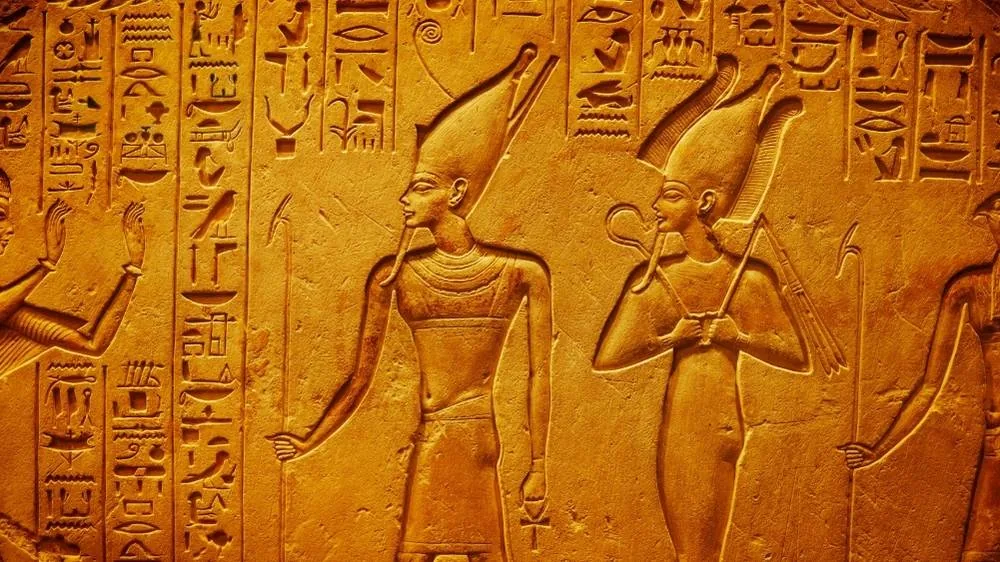
Written language was a transformative innovation that allowed knowledge, history, and communication to be preserved across generations. Ancient writing systems made it possible to document laws, trade records, religious beliefs, and historical events.
The development of writing contributed to:
Record keeping and administration
Cultural storytelling and literature
Educational systems
The preservation of historical knowledge
Today’s languages and written communication systems evolved from these early efforts to document human experience.
Advances in Architecture and Engineering
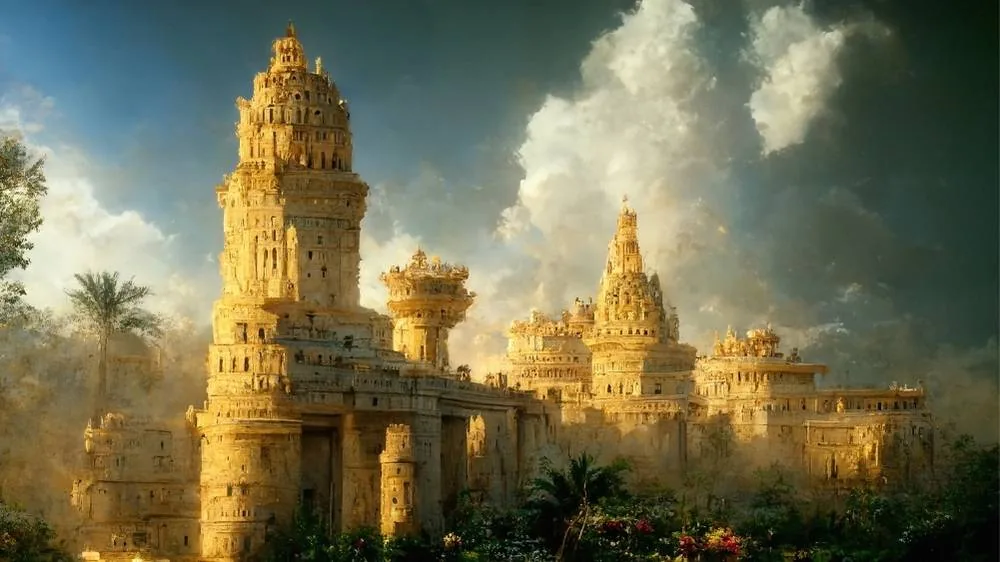
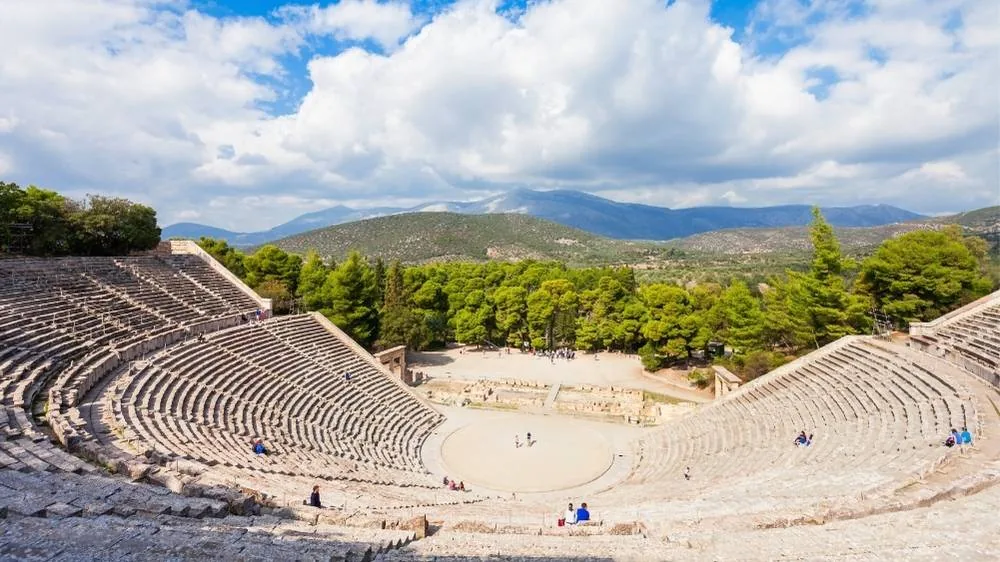
Many architectural and engineering principles used today originated in ancient societies. Early builders developed techniques for constructing large structures, designing cities, and managing water systems.
Ancient innovations included:
Monumental architecture
Roads and transportation routes
Irrigation and water management systems
Structural engineering methods
These developments allowed civilizations to build lasting cities and infrastructure that supported large populations. Modern architecture continues to draw inspiration from these early achievements.
Cultural Traditions and Artistic Expression
Ancient cultures expressed their beliefs and values through art, music, storytelling, and ceremonial traditions. These creative expressions helped communities define their identities and communicate shared values.
Cultural contributions from ancient civilizations influenced:
Visual arts and sculpture
Music and performance traditions
Mythology and storytelling
Rituals and celebrations
Many modern cultural traditions and artistic forms reflect themes that originated in early societies.
Early Systems of Trade and Economic Exchange
Trade networks were essential for connecting ancient civilizations across regions. Through the exchange of goods, technologies, and ideas, societies were able to expand their economic and cultural influence.
Ancient trade systems helped establish:
Market economies
Currency systems
Commercial partnerships between regions
Cultural exchange through commerce
These early economic structures contributed to the development of global trade systems that continue to shape modern economies.
Knowledge, Science, and Observation
Ancient scholars studied the natural world through observation and experimentation. Their work laid the foundation for fields such as mathematics, astronomy, and early medicine.
Early scientific knowledge included:
Calendars based on astronomical observation
Mathematical systems used in construction and trade
Herbal medicine and early health practices
Agricultural techniques for food production
Although modern science has advanced significantly, many early discoveries helped shape the intellectual traditions that continue today.
The Influence of Ancient Philosophy and Ideas
Ancient thinkers explored questions about ethics, governance, human nature, and the structure of society. Their ideas continue to influence modern philosophy, law, and education.
These early philosophical traditions contributed to discussions about:
Justice and fairness
The role of leadership
Social responsibility
The pursuit of knowledge
Many modern educational systems and intellectual traditions still draw from these foundational ideas.
Why Studying Ancient Civilizations Matters Today
Exploring ancient civilizations provides more than historical knowledge. It offers insight into how societies adapt, innovate, and develop over time.
Studying the past helps us:
Understand the origins of modern institutions
Learn how cultures evolve and interact
Preserve historical knowledge and heritage
Gain perspective on contemporary global challenges
By examining the achievements and challenges of early societies, we gain a deeper appreciation for the complexity of human development.
Conclusion
Ancient civilizations played a vital role in shaping the cultural, social, and intellectual foundations of the modern world. Their contributions to governance, architecture, trade, language, and philosophy continue to influence the way societies function today.
By studying these early cultures, we gain valuable insight into the origins of modern civilisation and the enduring ideas that connect past and present. Understanding these historical foundations allows us to better appreciate how human innovation and cultural exchange have shaped the world we live in today.